

Casinos on water exist primarily because of legal restrictions that limited or banned gambling on land. Many states allowed gambling only if it took place on riverboats or floating vessels, creating a legal workaround that let casino operators offer games while staying within the boundaries of state law. This arrangement became popular in the early 1990s when states along the Mississippi River and Gulf Coast wanted the economic benefits of gambling but faced strong opposition to land-based casinos.
The history of water-based casinos reveals how creative solutions emerged from strict regulations and competing interests. States needed revenue and jobs but also had to address concerns from residents who opposed gambling in their communities. Placing casinos on water provided a compromise that felt more contained and temporary than permanent buildings on land.
Today, many states have relaxed their laws to allow land-based casinos, but the water-based model left a lasting mark on the gambling industry. Understanding why casinos moved to water requires looking at the legal frameworks that shaped gambling in different states, the economic pressures that drove legalization, and the social attitudes that made floating casinos more acceptable than their land-based counterparts.
Understanding the Legal Foundations
Water-based casinos emerged primarily as a response to state laws that prohibited gambling on land but allowed it on navigable waters. The legal framework involved complex interactions between federal maritime laws and individual state regulations, with several key court decisions and legislative acts shaping how these gambling establishments could operate.
Origins of Riverboat Casino Laws
Riverboat casino laws trace back to a historical distinction between land and water jurisdictions. Many states prohibited gambling on land but found loopholes in laws governing navigable waterways. Iowa became one of the first states to legalize riverboat gambling in 1989, followed quickly by Illinois and Mississippi in 1990.
These early laws required casinos to operate on actual moving vessels that cruised during gambling sessions. The reasoning connected to the romantic history of 19th-century riverboats on the Mississippi River, which often featured card games and other gambling activities. States used this historical precedent to justify modern gambling operations.
The original regulations were strict. Iowa initially limited bets to $5 and capped losses at $200 per person per cruise. Boats had to be in motion while gambling occurred. These restrictions aimed to address concerns about social problems while still generating tax revenue and tourism.
Federal Versus State Gambling Jurisdictions
Federal law generally leaves gambling regulation to individual states, but maritime law adds complexity to water-based operations. States maintain primary control over gambling within their borders, including navigable waters. However, federal agencies like the Coast Guard oversee vessel safety and operations.
This split jurisdiction created opportunities for states to establish gambling establishments on rivers and lakes while maintaining land-based restrictions. Each state developed its own requirements for riverboat casinos, leading to significant variation across regions. Mississippi allowed 24-hour dockside gambling with no cruising requirement, while other states maintained stricter rules.
The distinction between state and federal authority meant that casinos on the water faced regulations from multiple agencies. States controlled gambling licenses and tax structures. Federal agencies managed vessel inspections and maritime safety standards.
Key Legal Milestones Affecting Water-Based Casinos
Several major legal changes reshaped the water-based casino industry over time. By the mid-1990s, most states with riverboat gambling laws relaxed their cruising requirements. Casinos could remain docked permanently, leading to “boats in moats” where vessels sat in shallow basins connected to nearby water.
Hurricane Katrina in 2005 prompted significant legislative shifts along the Gulf Coast. Mississippi lawmakers passed emergency legislation allowing casinos to rebuild on land within 800 feet of the waterline. This change acknowledged the impracticality of requiring floating structures in hurricane-prone areas.
The Indian Gaming Regulatory Act of 1988 also influenced the broader gambling landscape. This federal law allowed Native American tribes to operate casinos on tribal lands, creating competition for riverboat casinos. Many states subsequently loosened restrictions on both land-based and water-based gambling establishments to remain competitive.
Historical Evolution of Casinos on Water
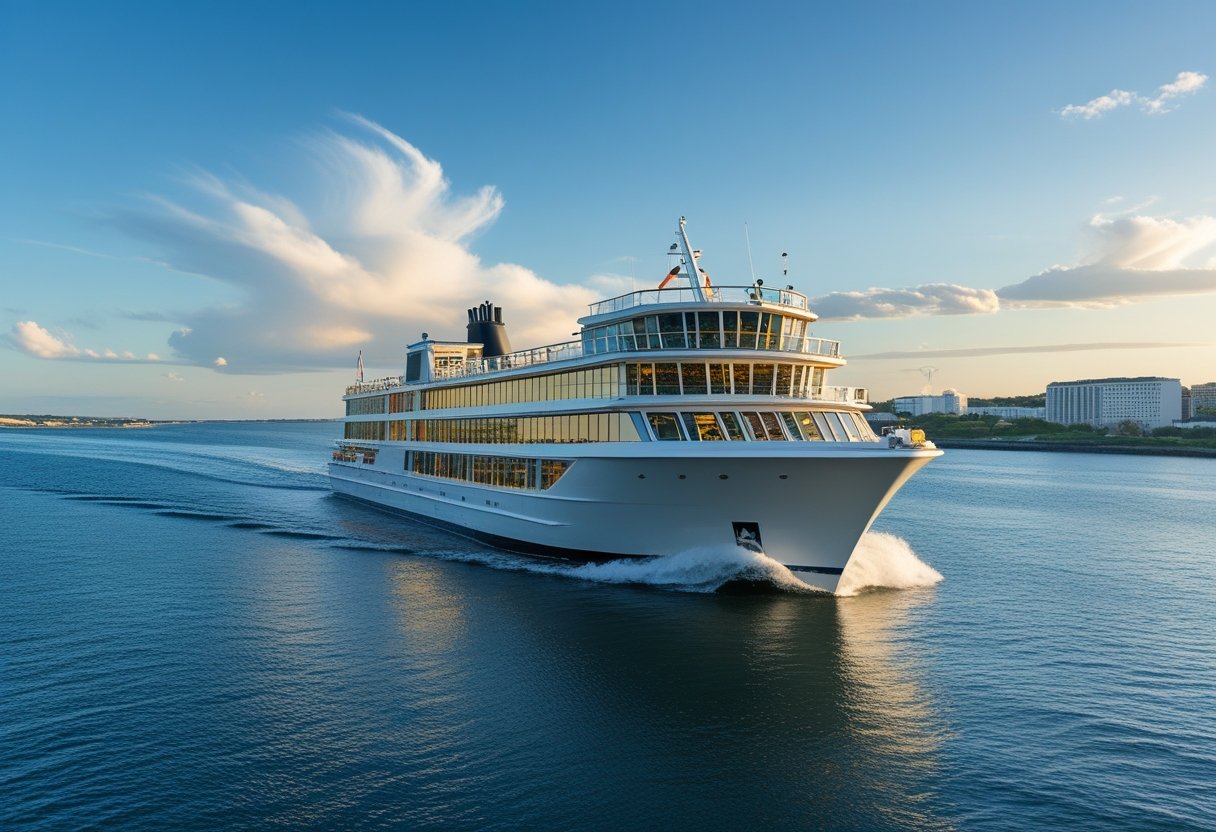
Casinos on water developed through three distinct phases in American history. The practice began with informal gambling on steamboats in the 1800s, expanded through legalized riverboat casinos in the 1990s, and eventually transitioned to stationary waterfront structures that remain popular today.
Early Gambling on Steamboats and Rivers
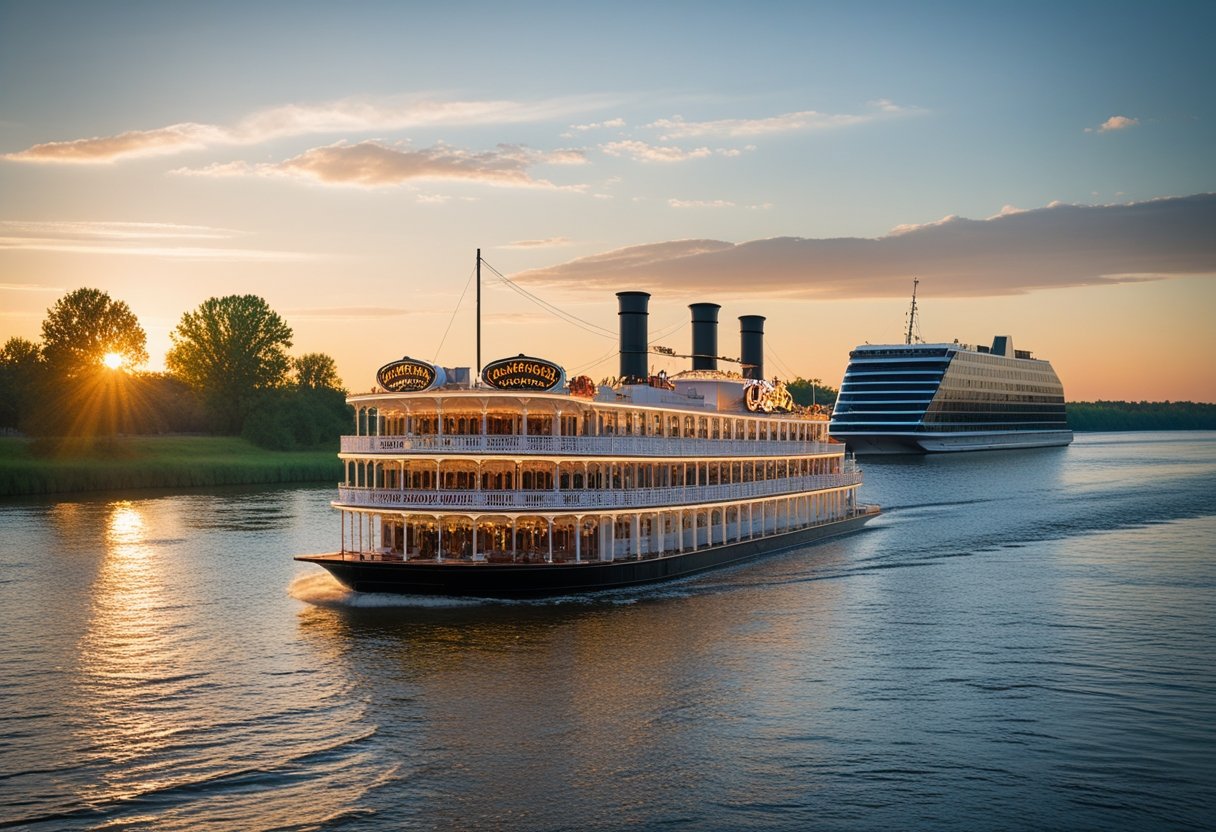
Gambling on steamboats became common along the Mississippi River during the early 1800s. Passengers traveling between river towns spent days or weeks on these vessels, and professional gamblers offered card games and other betting opportunities to pass the time.
These early floating casinos operated without legal approval. Steamboat operators typically allowed gambling because it kept passengers entertained during long journeys. The games took place in saloons and passenger cabins, creating a mobile gambling environment that moved between different state jurisdictions.
Law enforcement had limited ability to regulate these activities. Once a steamboat left the dock, it existed in a legal gray area between state boundaries. This made it difficult for authorities to enforce gambling restrictions, even in states where the practice was banned on land.
Growth of Riverboat Gambling in the 19th and 20th Centuries
The steamboat gambling tradition faded in the late 1800s as railroads replaced river travel. The practice stayed dormant for nearly a century until states began searching for new revenue sources in the late 1980s.
Iowa became the first state to legalize riverboat gambling in 1989. Mississippi, Missouri, Illinois, and Louisiana followed in the early 1990s. These states created specific laws that allowed gambling only on boats located in water, which helped gain public support by appearing more limited than land-based casinos.
Early riverboat casinos had to cruise during operating hours. Passengers boarded for scheduled gambling sessions that lasted two to four hours while the boat traveled along the river. This requirement proved unpopular with customers who preferred the convenience of entering and leaving at any time.
Transition to Stationary Waterfront Casinos
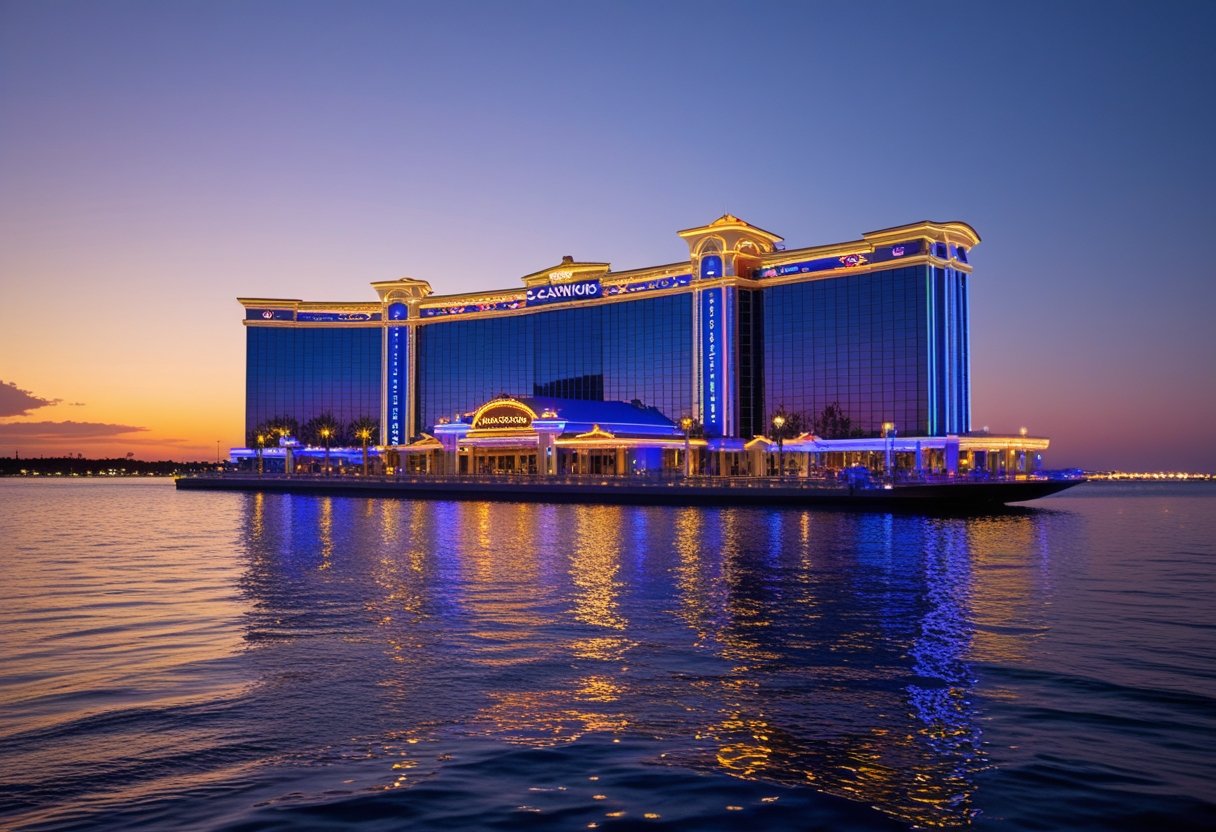
States gradually relaxed their cruising requirements as the industry matured. The “boats in moats” model emerged, where casinos were built as stationary structures floating in artificial basins or permanently docked at the water’s edge.
Modern waterfront casinos often bear little resemblance to traditional riverboats. Many are large buildings that technically float on water or sit on barges to meet legal requirements. Some states eventually eliminated the water requirement entirely, allowing full land-based casinos.
The transition reflected changing attitudes about gambling regulation. States discovered that keeping casinos near water no longer served its original purpose of limiting access or reducing social concerns about gambling expansion.
State-by-State Casino Regulations
Casino laws differ across the United States, with some states requiring gambling establishments to operate on water while others permit land-based facilities. These regulations reflect each state’s approach to balancing economic benefits with social concerns about gambling.
Mississippi’s Unique Casino Laws
Mississippi pioneered riverboat casino legalization in the early 1990s along the Mississippi River and Gulf Coast. The state initially required casinos to operate on actual riverboats that cruised during gambling sessions. This rule changed in 1993 when Mississippi allowed casinos to remain docked permanently.
The state further relaxed its water requirements after Hurricane Katrina in 2005. Lawmakers permitted Gulf Coast casinos to build up to 800 feet inland from the shoreline. This change helped damaged casinos rebuild in safer locations while maintaining the technical connection to water.
Mississippi now requires casinos to be located in designated counties along the Mississippi River or Gulf Coast. The facilities must still be built over water or within the 800-foot zone for coastal properties. This setup has created a thriving casino industry that generates significant tax revenue for the state.
Major States with Waterfront Casino Mandates
Several states maintain strict requirements for casinos on the water. Iowa was the first state to legalize riverboat gambling in 1989, though it later allowed some land-based casinos. Missouri requires all casinos to operate on the Missouri and Mississippi rivers, keeping the riverboat casino model active.
Illinois mandates that casinos must be located on rivers, including the Mississippi River and other waterways throughout the state. Louisiana permits both riverboat casinos and land-based facilities, but many of its major gambling establishments operate on rivers or lakes. Indiana requires casinos to be on Lake Michigan or the Ohio River, creating waterfront gaming districts that attract visitors from neighboring states.
Economic and Social Drivers
Water-based casinos create jobs and attract visitors to regions that might otherwise struggle economically. These gambling establishments also differ from traditional land-based operations in terms of regulations, community impact, and business models.
Promoting Regional Tourism and Development
Waterfront casinos serve as major economic engines for communities along rivers and coastlines. They create employment opportunities in hospitality, entertainment, and support services. States like Mississippi and Louisiana experienced significant job growth when riverboat casinos launched in the early 1990s.
Tourism increases when casinos open near water. Visitors come for gambling but also spend money at nearby restaurants, hotels, and shops. This ripple effect helps small businesses and generates tax revenue for local governments.
The revenue from gambling establishments funds public services and infrastructure projects. However, communities must also invest in addiction treatment programs and social services to address the negative impacts of gambling.
Comparing Waterfront and Land-Based Casinos
Waterfront casinos originally operated under different regulations than land-based casinos. Maritime laws sometimes offered simpler licensing processes. States could also limit the geographic spread of gambling by restricting it to waterways.
Modern waterfront casinos often stay stationary at the water’s edge rather than cruising. This “boats in moats” model provides the same experience as land-based casinos while maintaining legal status as water-based operations.
Land-based casinos on tribal lands operate under federal and tribal jurisdiction. These gambling establishments don’t need water locations because tribal sovereignty provides the legal framework. Non-tribal land-based casinos exist in places like Las Vegas and Atlantic City, where state laws permit them without water requirements.
Tourism and Customer Appeal
Water-based casinos offer visual and experiential advantages that attract tourists and create memorable visits. The combination of gaming and waterfront settings helps these venues stand out in a competitive entertainment market.
Scenic Water Views as a Competitive Edge
Waterfront casinos provide natural scenery that land-based venues cannot replicate. Rivers, lakes, and coastal areas create relaxing atmospheres that enhance the overall casino experience.
These scenic locations appeal to visitors who want entertainment beyond gambling. Many guests appreciate dining with water views or taking breaks on outdoor decks. The visual appeal of water makes casinos more photogenic and shareable on social media, which serves as free marketing.
Waterfront locations also attract tourists who might not visit traditional casinos. Couples seeking romantic getaways and families on vacation often choose water-based casinos because they offer pleasant surroundings. The natural setting softens the industrial feel of gaming floors and makes extended stays more comfortable.
Casinos as Entertainment Destinations
Water-based casinos position themselves as complete entertainment destinations rather than just gambling venues. They typically include restaurants, bars, hotels, and live entertainment to create all-in-one experiences.
The waterfront setting allows for additional attractions like boat tours, fishing charters, and waterside festivals. These activities give non-gamblers reasons to visit and extend their stays. Families can enjoy water activities while some members gamble inside.
Many riverboat and coastal casinos have become regional tourism anchors. They draw visitors from neighboring states and generate hotel bookings, restaurant revenue, and local tourism spending. This broader appeal helps casinos maintain steady visitor numbers even during slower gambling seasons.
Shifts Toward Land-Based Gambling
Many states have relaxed their gambling laws over the past few decades. This change allows casinos to operate on land instead of requiring them to be on water.
Loosening Restrictions on Casino Locations
States that once banned land-based gambling have changed their laws to allow casinos on dry ground. Illinois, Louisiana, and other states with riverboat casino requirements have updated their regulations. These new laws let casino operators move their businesses from water to land.
The Illinois Gaming Board approved several casinos to relocate from rivers to nearby land locations. Penn Entertainment moved Hollywood Casino Aurora from the Fox River to Stolp Island under these updated rules. Other states followed similar paths as public opinion shifted in favor of legalized gambling.
Casino operators prefer land-based locations for several practical reasons. Land-based casinos cost less to maintain than waterborne facilities. They don’t need to meet maritime safety standards or maintain boat structures. Building on land also provides more space for parking, hotels, and entertainment venues.
The economic benefits of land-based casinos have convinced more lawmakers to support expanded gambling. Tax revenue from these operations helps fund state programs and local development projects.
Modern Trends and the Future of Water-Based Casinos
Riverboat casinos represent a declining segment of the gambling industry. Most new casino developments choose land-based locations from the start. States with existing water requirements continue to phase out these restrictions.
Water-based casinos face higher operating costs and safety concerns compared to land facilities. Moving to land provides better stability for long-term business planning. Casinos can expand their footprint more easily on land than on confined boat structures.
The broader acceptance of casino gaming has reduced the need for water-based workarounds. Online gambling platforms also compete with physical casinos, pushing operators to create larger entertainment complexes on land. These complexes include restaurants, shows, and hotel accommodations that attract visitors beyond traditional gamblers.
Some historic riverboat casinos may remain as tourist attractions, but the industry trend points toward land-based operations.
Frequently Asked Questions
States adopted water-based casinos in the 1990s to work around laws that banned land gambling, while the legal status of these venues depended on navigable water boundaries and state jurisdiction rules that treated waterways differently from land.
What historical factors contributed to casinos being located on water?
Riverboat casinos emerged in the 1990s along waterways like the Mississippi River as states sought new revenue sources. Iowa, Mississippi, and Illinois were among the first to adopt this model.
The riverboat concept drew from the historical use of gambling boats on American rivers in the 1800s. States used this precedent to justify modern casino operations on water while maintaining restrictions on land-based gambling.
Public opposition to gambling on land remained strong in many regions during this period. Water-based casinos offered a compromise that addressed moral concerns while allowing economic development.
How do state laws influence the establishment of casinos on waterways?
State gambling laws in the 1990s often prohibited casinos on land but allowed them on navigable waters. This legal distinction created the market for riverboat casinos in multiple states.
Each state developed its own regulations for water-based gambling. Some states required boats to cruise during gambling operations, while others allowed docked vessels.
States controlled licensing requirements, tax rates, and operational standards for riverboat casinos. These regulations varied significantly between jurisdictions, affecting how casinos operated in different regions.
What are the legal distinctions between land-based and riverboat casinos?
Riverboat casinos operated under maritime law and state regulations specific to navigable waters. Land-based casinos followed standard commercial property laws and local zoning requirements.
The water requirement created a separate legal category that allowed states to permit gambling without changing laws about land-based operations. This distinction gave legislators a way to authorize casinos while maintaining existing restrictions.
Many states eventually relaxed their requirements, allowing “boats in moats” that remained stationary in artificial bodies of water. These vessels maintained the technical status of watercraft while functioning like land-based facilities.
In what ways has the evolution of riverboat gambling impacted modern gaming regulations?
The success of riverboat casinos in the 1990s led many states to reconsider their gambling laws entirely. Several jurisdictions eventually permitted land-based casinos after seeing the economic benefits of water-based operations.
Events like Hurricane Katrina in 2005 exposed the vulnerability of water-based casino structures. The storm destroyed multiple Gulf Coast casino boats, prompting states like Mississippi to allow land-based facilities near waterways.
Modern regulations often focus on responsible gambling and consumer protection rather than the physical location of the casino. The riverboat era demonstrated that location-based restrictions were less important than operational oversight.
How does the location of a casino, whether on water or land, affect its legality?
A casino’s legality depends on state law and local regulations rather than its physical location. States that restrict gambling may prohibit casinos on both water and land.
Tribal casinos operate under federal law through the Indian Gaming Regulatory Act of 1988. These facilities exist on tribal lands regardless of proximity to water, functioning under tribal sovereignty rather than state jurisdiction.
Some states maintain specific requirements for casino locations near waterways or in designated gaming zones. These geographic restrictions aim to limit gambling’s expansion while allowing it in controlled areas.
What precedents led to the allowance of gambling on water as opposed to on land?
Historical riverboat gambling on the Mississippi River in the 1800s provided the legal and cultural precedent for modern casinos. States referenced this history when crafting laws for contemporary riverboat operations.
Maritime jurisdiction created a legal framework that treated waterways as separate from land-based territory. This distinction allowed states to permit activities on water that remained illegal on shore.
The concept of navigable waters as distinct jurisdictions gave legislators a tool to authorize gambling without appearing to contradict existing land-based prohibitions. This legal separation made water-based casinos politically feasible in states with strong anti-gambling traditions.