

Sports betting at a Serbian licensed site arrives at the player as a slip, a price and a settlement. Everything that happens between those three screens is a large, mostly invisible machine. This piece walks through the layers of that machine, from the trading desk through the risk engine, the compliance team, the support desk and the platform engineering group, so the slip you place next weekend reads a little clearer.
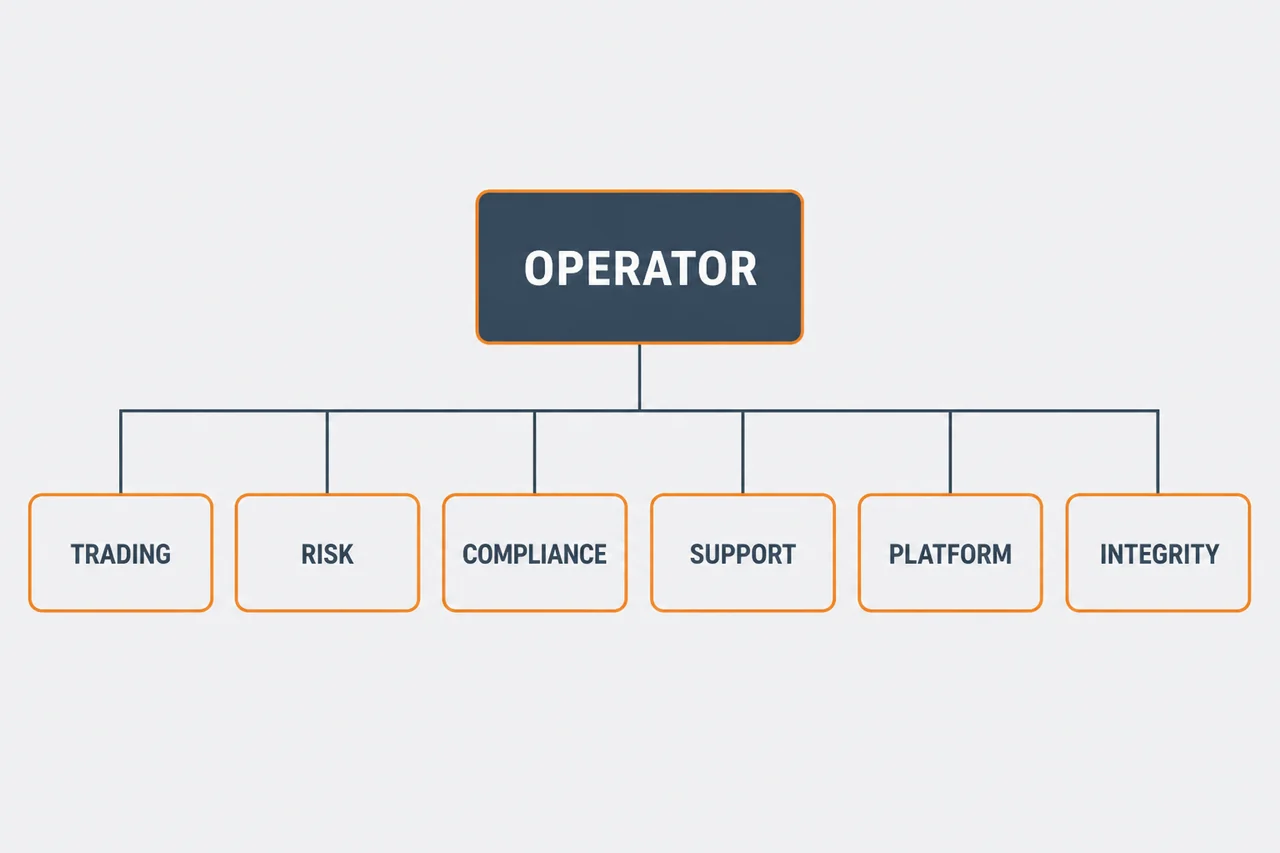
| Layer | What it does | Where the player meets it |
|---|---|---|
| Trading desk | Prices events using models and manual judgement | The odds on the slip |
| Risk engine | Monitors exposure in real time | Price moves and sudden lock-ups |
| Compliance | Handles licensing, KYC, reporting | Identity checks, limit screens |
| Support | Resolves disputes and queries | Chat and email channels |
| Platform engineering | Keeps the website and apps running | Everything the player taps |
| Integrity team | Flags suspicious betting patterns | IBIA cooperation and settlement reviews |
The Trading Desk Writes the Prices
Prices begin on the trading desk. A trading desk at a mid-sized Serbian operator will have mathematical models for each major sport, with hand-tuned adjustments for small differences in league behaviour. The models are not a secret and are not the whole story; traders adjust the prices around breaking news, injury reports and in-flight market signals.
What arrives on the slip is a judgement, dressed as a number. A tight overround on a main market is the trading desk saying “we are confident”. A wider margin on a prop market is the desk saying “we are reading less data; keep a margin cushion”.
The Trading Desk Also Watches Money Movement
When money moves aggressively onto one side of a market, the desk often shortens the price on that side and lengthens the other. This is not a prediction; it is a response. A Serbian player who follows a shortlisted match through the week often sees these drifts without having to open a special tracker.
The Risk Engine Protects the Book
Running underneath the trading desk is a risk engine. The engine monitors the operator’s exposure in real time, across every open ticket on every open market. When a specific market attracts a concentrated amount of money, the engine triggers prompts that the desk uses to decide whether to shift prices, suspend a market briefly, or cap future stakes.
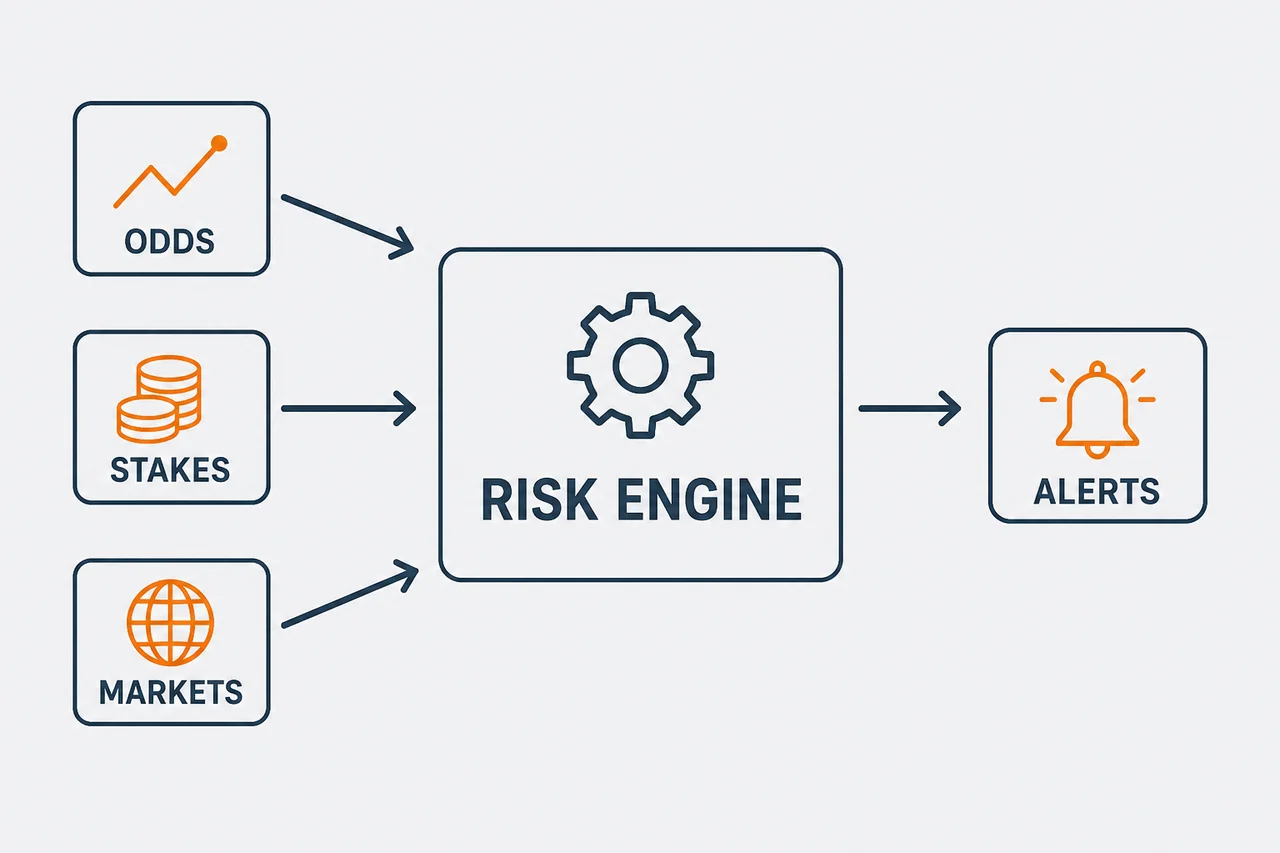
From the player’s side, this layer surfaces as the brief market lock-ups around key events in live markets, and as the stake cap that sometimes appears on a specific prop. Neither is random. Both are the risk engine protecting the overall book, which in turn protects the capital that the Serbian framework requires every licensed operator to hold.
Compliance Is the Bridge to the Regulator
Compliance is the bridge between the operator and the Games of Chance Administration. Under the 2020 Act and the 2024 amendments in force from January 2025, non-casino operators run an IT communications system that exchanges data in real time with the regulator. KYC data, self-exclusion lists and reporting obligations all travel through this bridge.
From the player’s side, compliance is the ID check at sign-up, the second document request after a lineup change, the limit screens that appear in the account menu and the self-exclusion flow that routes through SPIS. These are not administrative friction; they are the regulator’s visibility into the ledger made real.
- Share capital of EUR 250,000 on the register
- EUR 300,000 deposit or bank guarantee with the regulator
- Real-time IT system linking operator and Games of Chance Administration
- KYC data shared across the licensed market
Support Lives at the Edge of the Machine
Support is where most players meet an operator as people. The support desk works across chat, email and sometimes phone, handles disputes about settlements, routes KYC follow-ups to compliance, and escalates anomalies to the trading desk. Larger Serbian operators like Mozzart and MaxBet run multiple shifts to cover live betting hours.
From the player’s side, the quality of support is one of the most tangible differences between operators. A support team that resolves a settlement question in one honest exchange is worth more than a two-point price edge on next week’s main market.
Platform Engineering Keeps the Lights On
Platform engineering is the group most players never think about. The team that keeps the apps running on a Saturday afternoon with a derby kickoff, the team that keeps the live price feeds synchronised to the match clock, the team that keeps the payment integrations clean. When a Serbian player taps “place bet” and the slip confirms in a second, that is platform engineering.
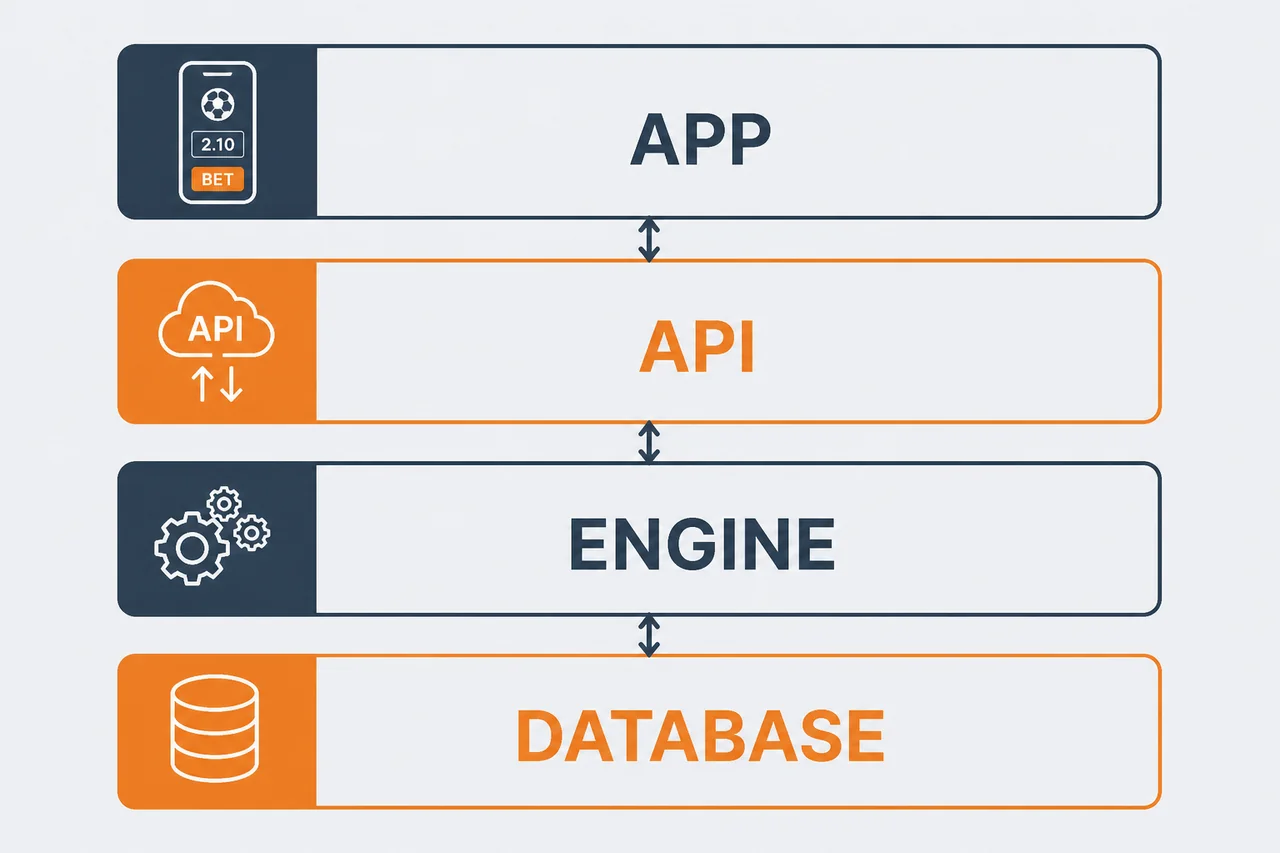
Latency inside the platform matters at live markets. A live price that lags by half a second is a price that is wrong for half a second, and the risk engine knows this. The engineering investment behind a mobile app that stays accurate during a Champions League group night is one of the quiet reasons the margin exists in the first place.
The Integrity Team Watches the Bigger Picture
The integrity team at a licensed operator cooperates with external bodies such as the International Betting Integrity Association. IBIA reported seventy-six suspicious betting alerts in the second quarter of 2026 across nine sports; its Global Monitoring and Alert Platform has more than ninety member operators and monitors more than 1.5 million sporting events a year.
Suspicious alerts can lead to voided settlements, information sharing with sports federations and in rare cases bans on specific markets. From the player’s side, this layer rarely shows up directly, but it is the quiet floor beneath the entire licensed market and the reason an operator can run a betting ledger that a federation will trust.
The Promotions Team Sits Between Marketing and Trading
Promotions sit between marketing and trading. The welcome bonuses, freebet refunds and reload promotions are designed to attract and retain accounts without opening a hole in the margin. The wagering requirement, the minimum odds and the deadline on each offer are the trading-side guardrails that keep the promotion from becoming a mathematical giveaway.
From the player’s side, this is why reading the terms matters more than reading the headline percentage. A Serbian guide such as burazbet tracks the current promotions across the licensed roster, with notes on which terms tend to bite and which are reasonable.
The Account Team Reads the Patterns of Harm
Many licensed operators now run a dedicated responsible-play or account-safety function that watches patterns across accounts: deposit frequency spikes, late-night session clusters, loss-chasing signals. These are the EGBA “Markers of Harm” voluntary standard indicators adopted across European members in 2025, covering stake volatility, deposit frequency, session length, loss-chasing and response to prompts.
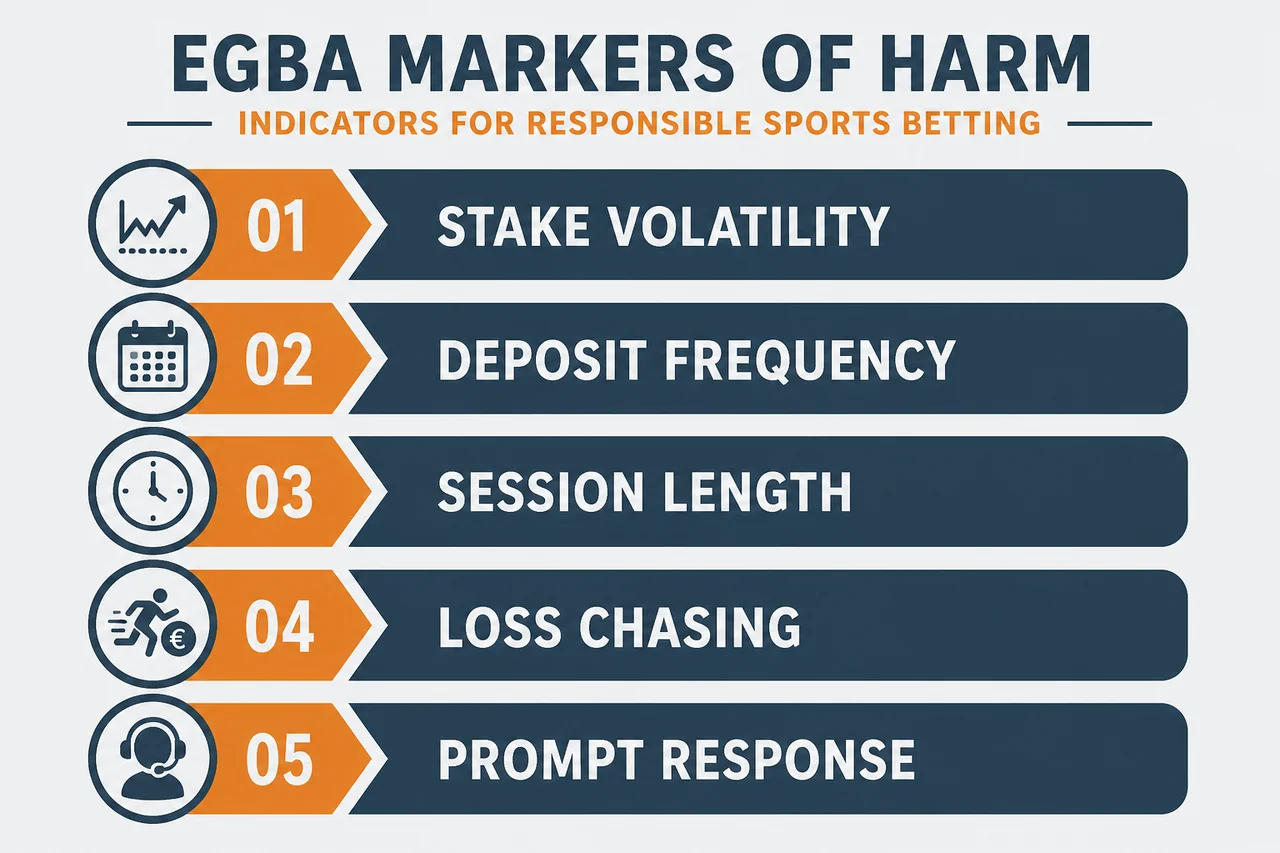
From the player’s side, this surfaces as a nudge toward a limit, a reminder of the responsible-play toolkit, or in rare cases a conversation with support. SPIS, the Serbian industry body launched in Belgrade, operates one layer above this; the operator-level team is where the pattern recognition first fires.
How the Machine Shapes the Player Experience
All these layers add up to the experience the player sees on the slip. The price is a trading judgement; the price moves are a risk-engine response; the limit screens are a compliance layer; the chat window is a support team; the app itself is platform engineering; the settlement is backed by integrity work. None of this is dramatic. All of it is quietly necessary.
A Serbian player who understands the machine stops treating every surprise on the slip as an error. The surprise is almost always the machine working, in a direction the player did not expect. That is the hobby’s quiet reassurance, offered without press release.